Depression
Depression
From depression to deep satisfaction
Life can feel like a battlefield. Doctors fight against disease. Lawyers fight against injustice. Teachers fight against ignorance. But when we lose the will to keep fighting, depression sets in.
Even Arjuna, the great warrior from the Bhagavad Gita, felt this way. On the battlefield, his bow slipped from his hands, his fingers trembled, and he lost all desire to fight. It was Krishna’s wisdom that awakened him, urging him to rise, face his challenges, and fight once more.
Sometimes, simply making the decision to stand up and face life—like Arjuna—can lift the weight of depression.



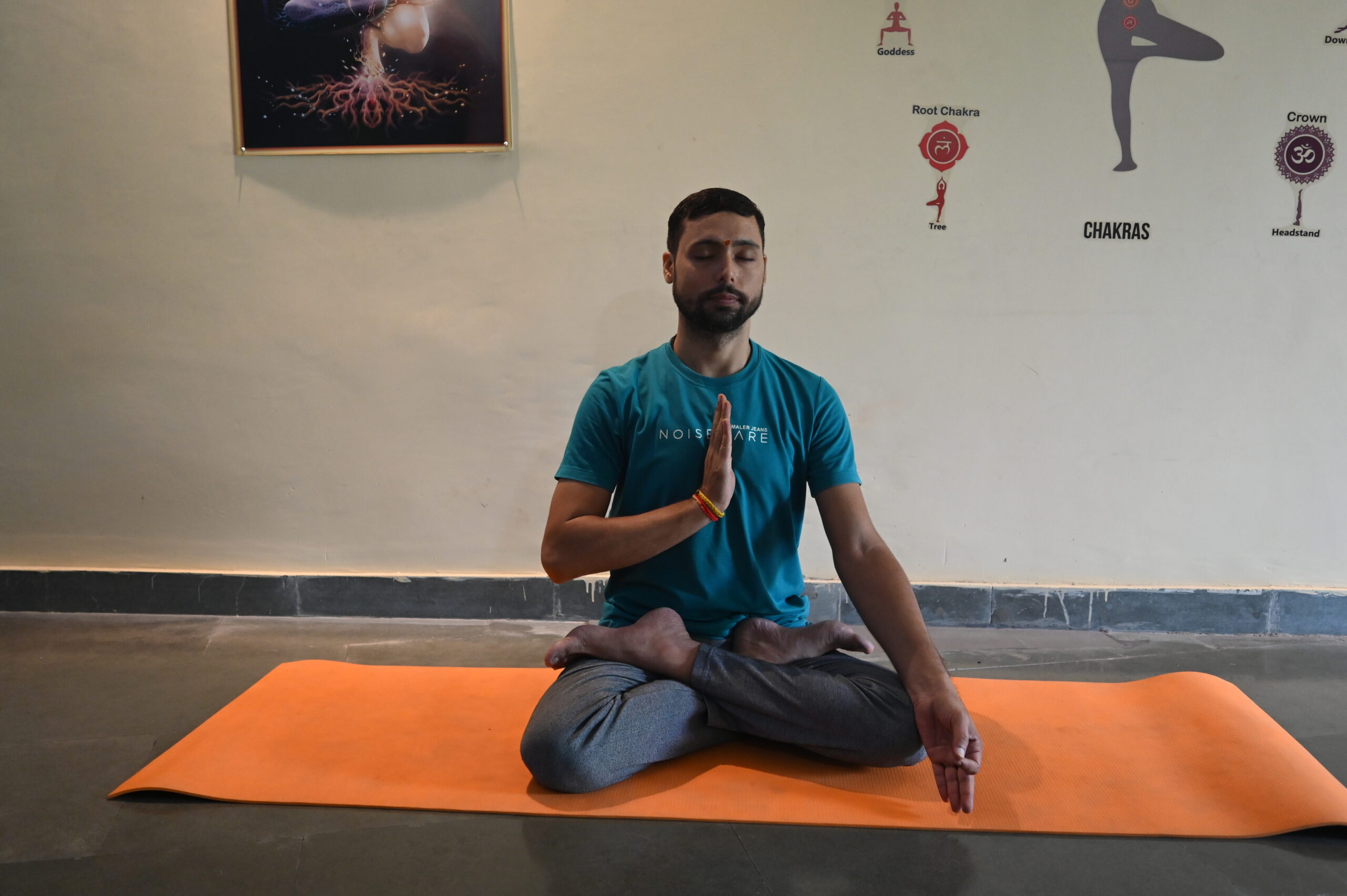








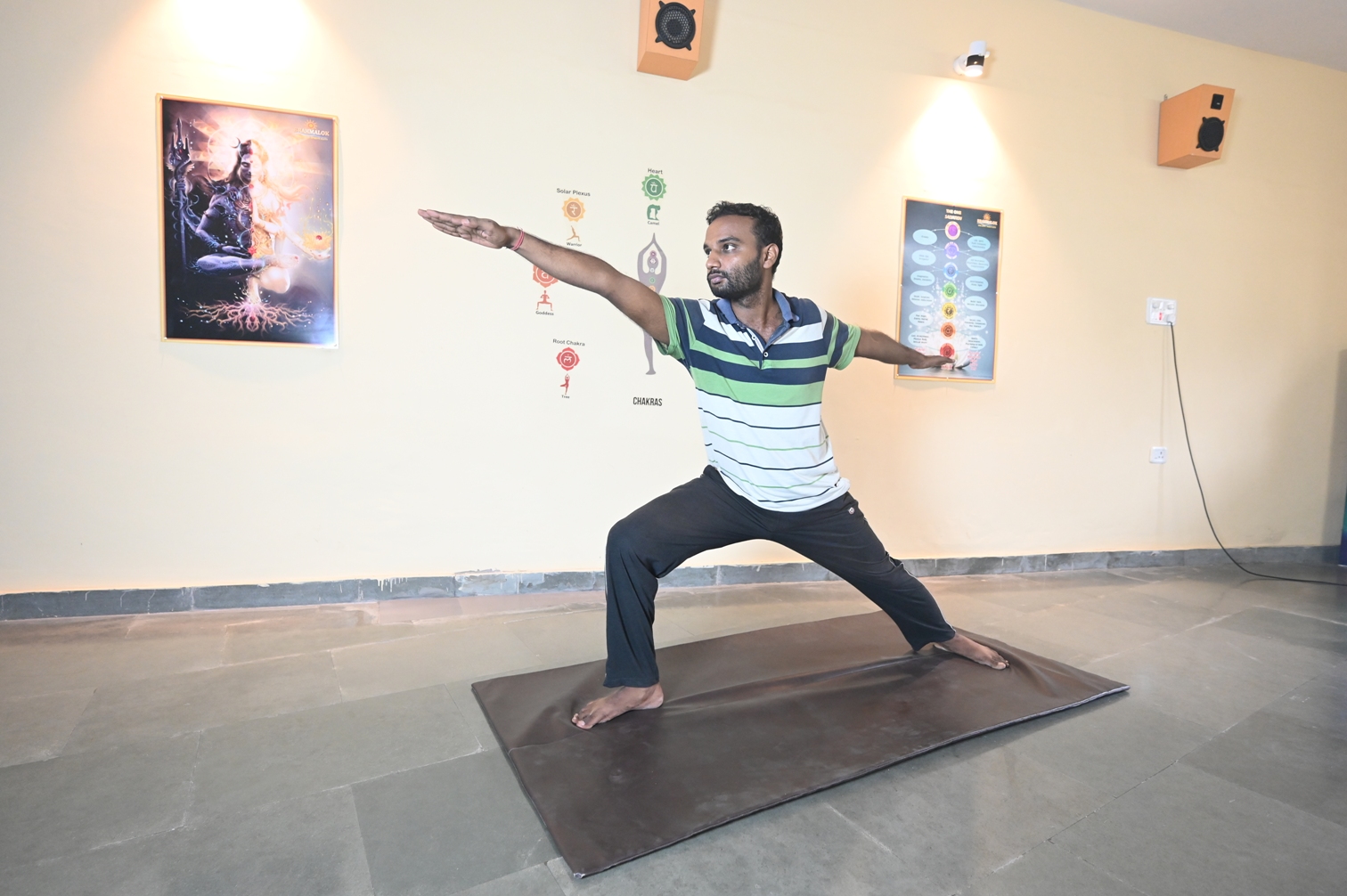

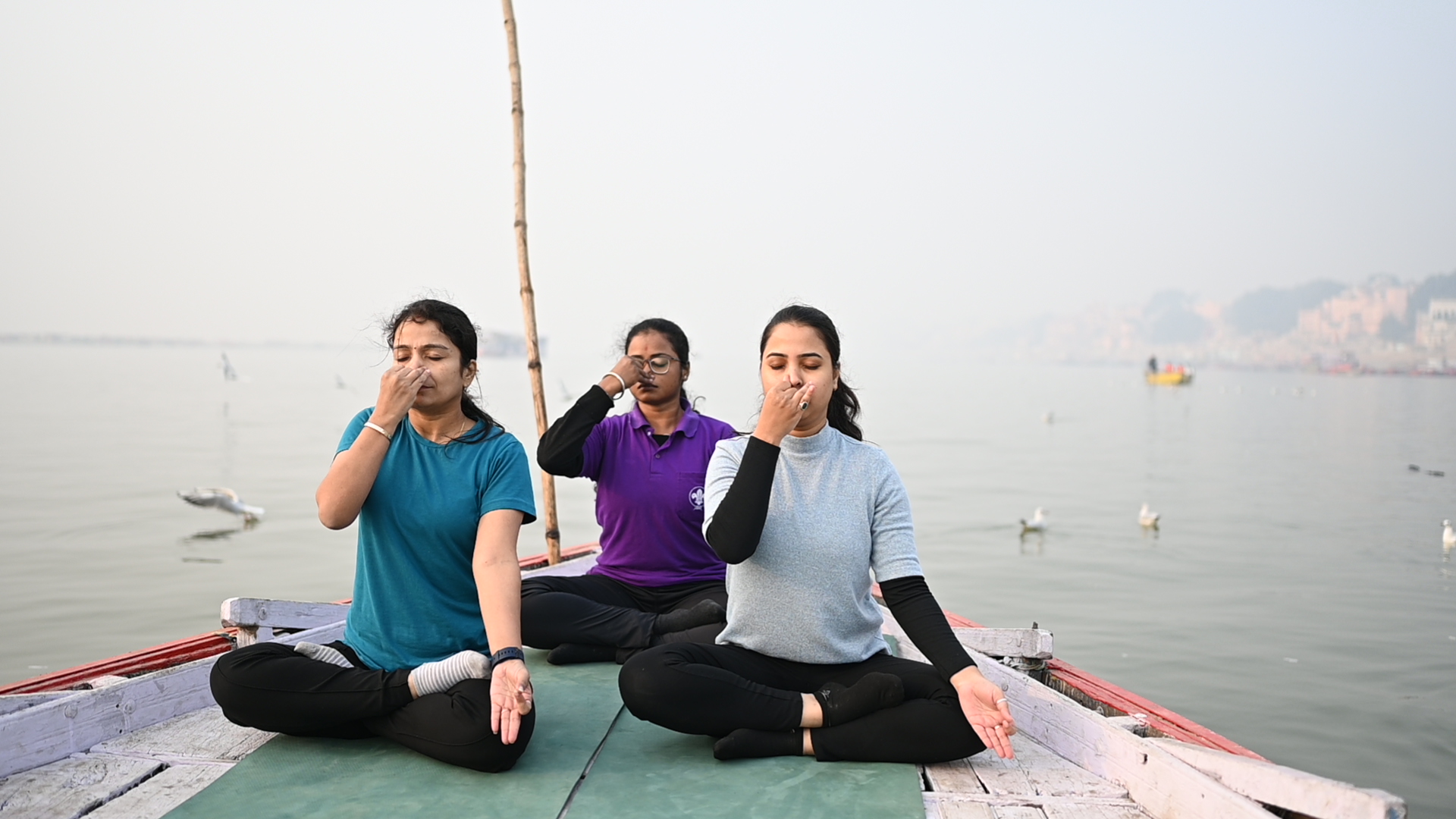

How to come out of depression?
The Hidden Link Between Depression And Energy
Depression arises when our energy levels drop. As this inner barometer falls, we begin to feel dull and disinterested. When it sinks even further, we may lose the very willingness to live.
This life force energy, known as prana, exists everywhere—we are literally immersed in an ocean of it. Prana is what sustains all life, and every element in the universe carries it in different amounts. Stones hold one unit of prana, water contains two, fire carries three, air has four, plants hold five, and animals six. Human beings, however, are unique; we can hold anywhere from seven to sixteen units of prana, allowing us to experience a vast range of vitality and awareness. In fact, the entire universe is an expression of prana.
When prana is low, we feel heavy and depressed. If it drops further, thoughts of hopelessness—even suicide—can arise. But when prana is high, we feel energized, inspired, and full of life. At its peak, prana brings a state of deep enthusiasm, boundless energy, and bliss.
How to respond to suicidal tendencies?
Violence directed at oneself is just as destructive as violence toward others. Today, the world is caught between two extremes: societal violence on one side and rising suicidal tendencies on the other. The only force that can bring balance and help people move away from these extremes is spirituality—it connects individuals to a deeper sense of purpose and inner stability.
If you encounter someone showing even the slightest signs of suicidal thoughts, it is crucial to ensure they receive professional medical care. Alongside that, surround them with uplifting company, encourage them to sing, dance, and experience the simple joys of life, and help them realize that life is far greater than a few material achievements or possessions.
Life is not defined by praise or criticism from others, nor is it limited to relationships, careers, or unfulfilled ambitions. Often, suicidal thoughts stem from the pain of failed relationships, professional setbacks, or unmet desires. Yet life is far more expansive than these fleeting struggles and thoughts.
With proper medical care, a broader perspective, and active participation in service and meaningful activities, one can rediscover the value of life and reconnect with its vastness.